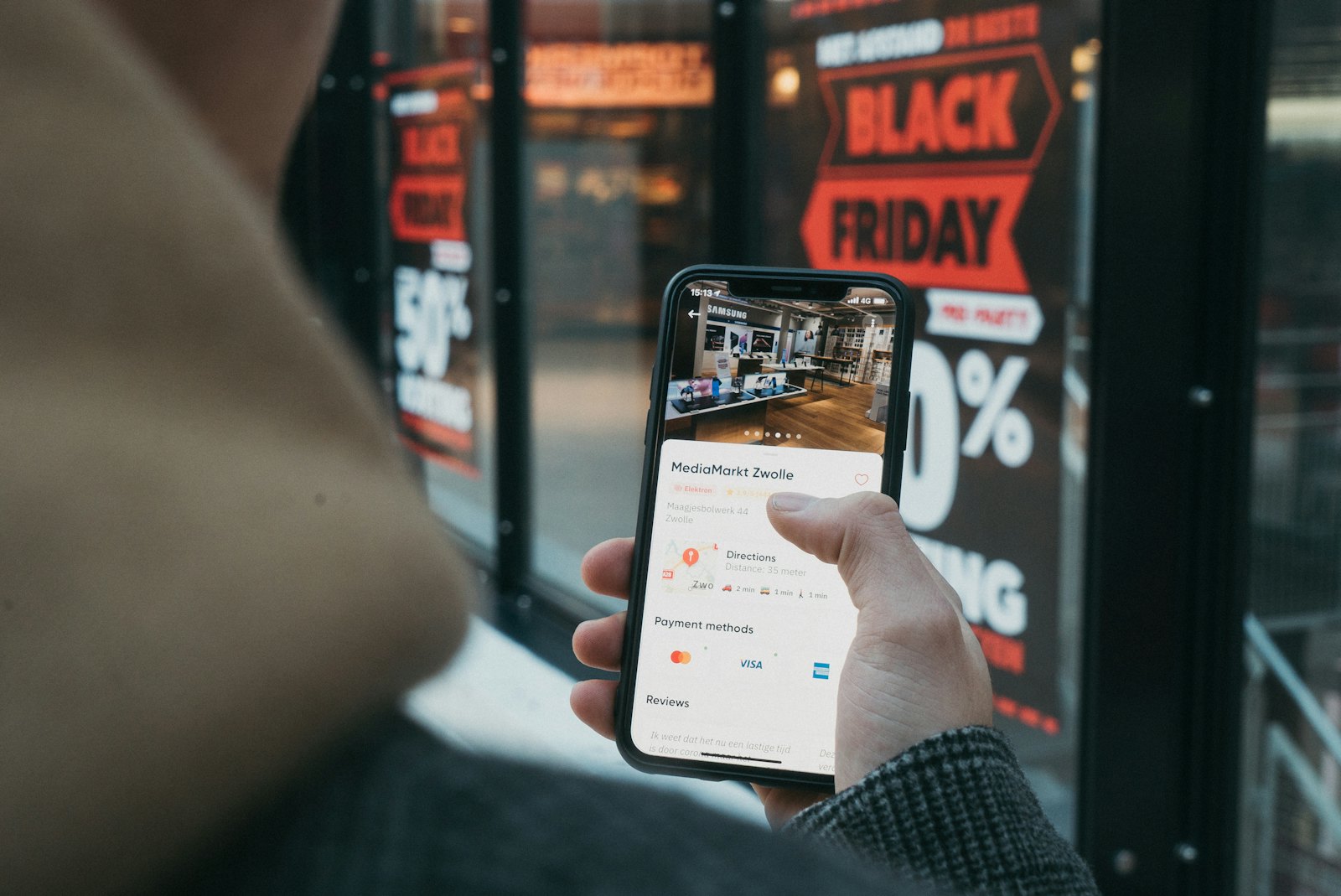
Best Beauty Salon Booking Apps for 2026
A booking app is the single biggest upgrade most salons can make to how they run. The right one fills your calendar around the clock, cuts no-shows, and frees your front desk from playing phone tag. The wrong one buries your brand inside a crowded marketplace and rents you access to your own clients. This guide walks through what the best beauty salon booking apps do, the features that actually matter for stylists and estheticians, and how to choose between an off-the-shelf marketplace and an app that's truly yours.
Why your salon needs a booking app
Phone-and-paper booking quietly costs you money in ways that are easy to overlook:
- After-hours demand goes unmet. A large share of booking intent happens when you're closed. Without self-booking, those clients call a competitor who lets them book at 9pm.
- Your front desk is interrupted constantly. Every booking call pulls attention away from the client in the chair.
- No-shows eat your margin. Without reminders and deposits, empty slots are pure lost revenue you can't get back.
- You have no client memory. Paper books don't tell you who's due for a re-book or who hasn't visited in three months.
A booking app turns each of these leaks into a system that runs without you.
Must-have features
Not all booking apps are built for the realities of a salon. Look specifically for these:
24/7 self-booking
Clients book themselves, any hour, from their phone. This alone typically captures bookings you were silently losing every evening and weekend.
Service and staff selection
Beauty bookings aren't one-size-fits-all. Clients need to pick the exact service (and its duration and price) and often a specific stylist or esthetician. The app should map your real menu and each professional's real availability — not a generic 30-minute slot.
Automated reminders
Push and SMS reminders are the most reliable no-show reducer there is. A confirmation when they book, plus a nudge 24 hours before, dramatically improves attendance.
Deposits and cancellation policies
For higher-value services, taking a deposit or holding a card on file protects your time. The best apps let you set a policy per service and enforce it automatically, so you're never the one chasing a fee.
Client records and rebooking
The app should remember each client's history — services, preferences, past stylists — and make rebooking a tap. This is what turns one-time visitors into regulars.
Calendar sync
Your team's availability should sync across the app, the front desk, and personal calendars, so two people never get booked into the same chair.
Features that matter for stylists and estheticians specifically
General salon software is one thing; the realities of stylists and estheticians add a few extra requirements worth checking for. Treatment durations vary widely — a fringe trim and a full colour are not the same booking — so per-service timing must be precise or your day falls apart. Estheticians often need intake notes, skin or allergy information, and before-and-after photos attached to a client's record, which a generic calendar won't hold. And because so much beauty business runs on a personal relationship with a specific professional, the ability for a client to rebook their stylist in one tap is worth more than almost any other convenience feature. If you employ or rent chairs to multiple professionals, check how the app handles individual schedules, commissions and each person's own client list.
Marketplace apps vs. your own salon app
Most salons begin on a marketplace app — a discovery platform where clients browse many salons and book inside the platform's app. There are real upsides: you can be found by new clients searching the marketplace, and setup is fast.
But the trade-offs grow with you:
- Your brand is invisible. Clients open the marketplace's app, see its name and logo, and experience your salon as one listing among hundreds.
- You're renting your own clients. The platform owns the relationship and the data, and often charges commission on new-client bookings — sometimes on repeat bookings too.
- You compete on their terms. Marketplaces surface competitors right next to you and can nudge your regulars toward whoever pays for placement.
- Costs scale with success. Per-booking commissions feel small until you're busy — then they're a meaningful slice of revenue.
A branded salon app flips this. Your clients download your app, with your name on the App Store and Google Play, your colours, your service menu. They book directly with you, you own the relationship and the data, and there's no commission skimming every appointment. The trade-off is that a branded app doesn't bring marketplace discovery — it's for salons whose clients already come back by name, which is most established salons.
This is the model behind our beauty salon app: a fully branded booking app published under your salon's name, with self-booking, staff selection, reminders, deposits and client records, for a flat monthly subscription rather than per-booking fees.
Choosing the right booking app
Decide based on where your salon actually is:
- How do clients find you? If you rely on marketplace discovery for new business, a marketplace earns its cut. If clients come by reputation and referral, you're paying commission on bookings you'd have gotten anyway.
- How much is repeat business? The higher your share of returning regulars, the more a branded app pays off — those are exactly the bookings you don't want to pay commission on.
- What's your no-show rate? If it's high, prioritise reminders and deposits above everything else; that's where a booking app pays for itself fastest.
- How much does your brand matter? A salon that has invested in a distinctive name and look is undercutting itself by living inside another company's app.
For the appointment-management side specifically — reminders, deposits and cutting no-shows — see our deep dive on beauty salon appointment apps.
What a smooth booking experience looks like for clients
It's easy to focus on what the app does for you and forget that clients only adopt a tool that feels effortless to them. The gold standard from the client's side is simple: open the app, see real availability, pick the service and their preferred professional, choose a time, confirm with a deposit if required, and get a reminder before the day. No phone call, no waiting for a reply to a message, no uncertainty about whether the slot is actually free. The closer your booking flow gets to that, the more bookings you capture and the fewer you lose to hesitation. When you evaluate any app, book a test appointment as if you were a client — if it feels clunky to you, it will feel clunky to them, and a tool clients avoid delivers none of its promised benefits.
The true cost of marketplace commissions
It's worth doing the arithmetic on commissions, because the numbers surprise most salon owners. Suppose a marketplace charges a commission on bookings and you take a meaningful share of your appointments through it. On a single booking the fee feels trivial. But multiply it across every appointment, every week, for a year, and it becomes one of your largest fixed costs — often more than you'd pay for software outright. The sting is sharpest on repeat clients: people who already know you, who would have booked anyway, and on whom you're now paying a finder's fee for the privilege of serving your own regulars. A useful exercise is to estimate a full year of commission, then compare it to the flat annual cost of a branded app. For a busy salon with lots of returning clients, the branded app is frequently cheaper and gives you ownership of the relationship — the rare case where the better option also costs less.
Building loyalty through your own app
A booking app isn't only a calendar; for an established salon it's a loyalty channel. When clients have your app on their phone, you have a direct line to them that doesn't depend on social-media algorithms or email open rates. A push notification about a cancellation slot, a seasonal promotion, or a reminder that they're due for their usual appointment lands straight on the home screen — and because they chose to install your app, it's welcome rather than intrusive. Over time this turns occasional visitors into regulars and regulars into advocates. Loyalty features like point schemes, package tracking, or member-only perks deepen the effect. None of this is possible when your clients reach you through a marketplace that owns the channel and guards the relationship; it's one of the strongest arguments for having an app that's genuinely yours.
Common mistakes when choosing a booking app
A few avoidable errors trip up salons choosing their first app. The biggest is picking on price alone and ending up with a tool clients find awkward — an app nobody uses delivers none of its benefits, however cheap it was. The second is ignoring the staff side: if your stylists can't easily manage their own schedules and see their own clients, adoption stalls at the front desk. The third is overlooking data ownership until it's too late to leave gracefully. And the fourth is treating discovery and ownership as the same decision — a marketplace solves discovery, a branded app solves ownership, and the right answer depends on which problem you actually have. Take the time to test the full flow, from a client booking to a stylist managing their day, before you commit.
The bottom line
The best beauty salon booking app is the one that fills your calendar while protecting your margin and your brand. Marketplaces are a reasonable on-ramp when you need discovery. But once your regulars book you by name, paying commission to a platform that puts its logo in front of them is the expensive option. If you'd like to see what a booking app under your own salon's brand looks like, get in touch.